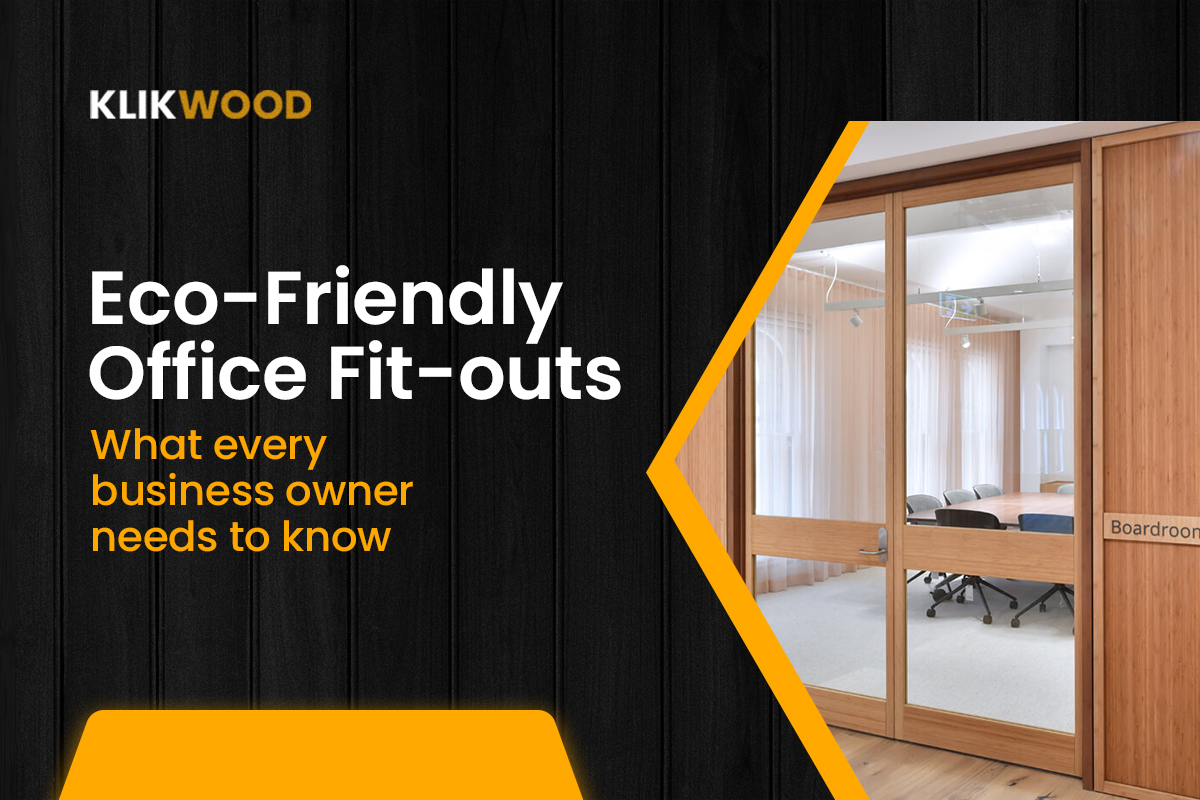

Sustainability is more than just a trend; it’s a way of life that is becoming a major business necessity. Modern businesses are transforming the way their offices operate, identifying the challenges that keep them from achieving their productivity goals. Innovative designs and the use of renewable resources like bamboo and timber are reshaping modern workplaces. In this blog, we will explore common challenges, benefits, and why you should consider eco-friendly office fit-outs for your business to create a future-ready and durable workplace.
What makes an eco-friendly office fit-out?
Eco-friendly office fit-outs are dividers that create smaller zones in a large space. Functionality is one of the major issues in modern workplaces, and this sustainable option provides a practical solution. Evolving operational needs and employee demands are redefining office expectations. These office fit-outs use eco-friendly materials, resulting in lower energy costs, and offer innovative designs that stay relevant for years to come.
There is a growing demand for incorporating eco-friendly elements in professional spaces, as it reflects brand values and promotes employee safety. In these offices, you can find designated spaces for every office need, like meeting rooms, collaboration zones, low-energy zones, and high-energy zones for dedicated work.
7 biggest challenges driving change
The preference for eco-friendly office fit-outs results from several challenges businesses face in operation. In recent years, demands have changed, and old standards no longer align with these needs, such as employee expectations and team expansion. Here are some of the challenges that have led to the rapid change:
Rising energy and operating costs
Rising electricity bills have encouraged businesses to invest in energy-efficient insulation and smart technology that not only reduce costs but also create a natural, ambient environment.
Environmental impact
Conventional materials like steel and concrete negatively impact the environment from extraction to manufacturing. They release large amounts of greenhouse gases and damage ecosystems.
Higher maintenance costs
Traditional offices are difficult to maintain because of their materials, intricate designs, and energy-inefficient systems. Low-quality materials wear out faster and weaken the structure’s integrity.
Poor indoor air quality
Conventional construction materials are toxic and contribute to poor indoor air quality. They release pollutants like volatile organic compounds (VOC) into the air, leading to headaches, unpleasant odours, and fatigue.
Inflexible workplaces
Modern workplaces are flexible and adapt to changing needs, such as fitting team size and operational needs. An inflexible workplace may lead to reduced productivity and impact brand reputation.
Excessive noise
Traditional open layout workplaces focus on maximising space rather than privacy and acoustic needs. When many people share the same space, the struggle for concentration is real.
Demand for sustainable options
There is a significant push toward adopting sustainable options, especially in professional spaces. Options like bamboo offices are aligned with SDG goals and contribute to a lower environmental footprint.
How businesses benefit from sustainable office design
Employee-centric workplace
Businesses are now prioritising the well-being of their employees to respect and value their contribution to growth. It builds a level of trust between both parties by promoting a healthy working environment, incorporating flexible furniture, and dedicated zones for better concentration.
Improved air quality
Conventional building materials like concrete and steel impact the ecosystem and release toxins into the air. Sustainable options like eco-friendly office fit-outs create a serene environment for stress-free daily operations.
Lower energy costs
These options incorporate energy-efficient lighting, smart HVAC systems, and smart insulation to reduce energy consumption and minimise long-term operating costs.
Supporting ESG goals
Environmental, social, and governance (ESG) goals are an important part of business strategy for boosting brand value. Eco-friendly office fit-outs support these objectives by responsible sourcing and installation.
Innovative design
Modern offices feature innovative designs that combine functionality and style. Smarter layouts, bamboo offices, and biophilic elements create a future-ready workplace.
Common mistakes businesses should avoid
Poor planning
Planning doesn’t end with finalising the project, but more than that, discuss your customisation needs, lifestyle, and preferences for materials and finishes.
Neglecting employee experience
Always consider employee comfort before installing features in your office; it must support their working style and not force them to adapt.
Ignoring material quality, lighting, and acoustics
Verify material quality before the project to avoid constant repairs, focus on well-balanced lighting, and reduce workplace noise with acoustic solutions.
Overlooking future business needs
Modern businesses are flexible and constantly expand; therefore, eco-friendly office fit- outs can be reconfigured as per the changing needs.
Hiring the wrong contractor
An inexperienced and unreliable contractor can complicate the process by disregarding environmental standards and making inaccurate measurements, increasing the project and repair costs.
Why bamboo offices are an ideal addition for modern businesses
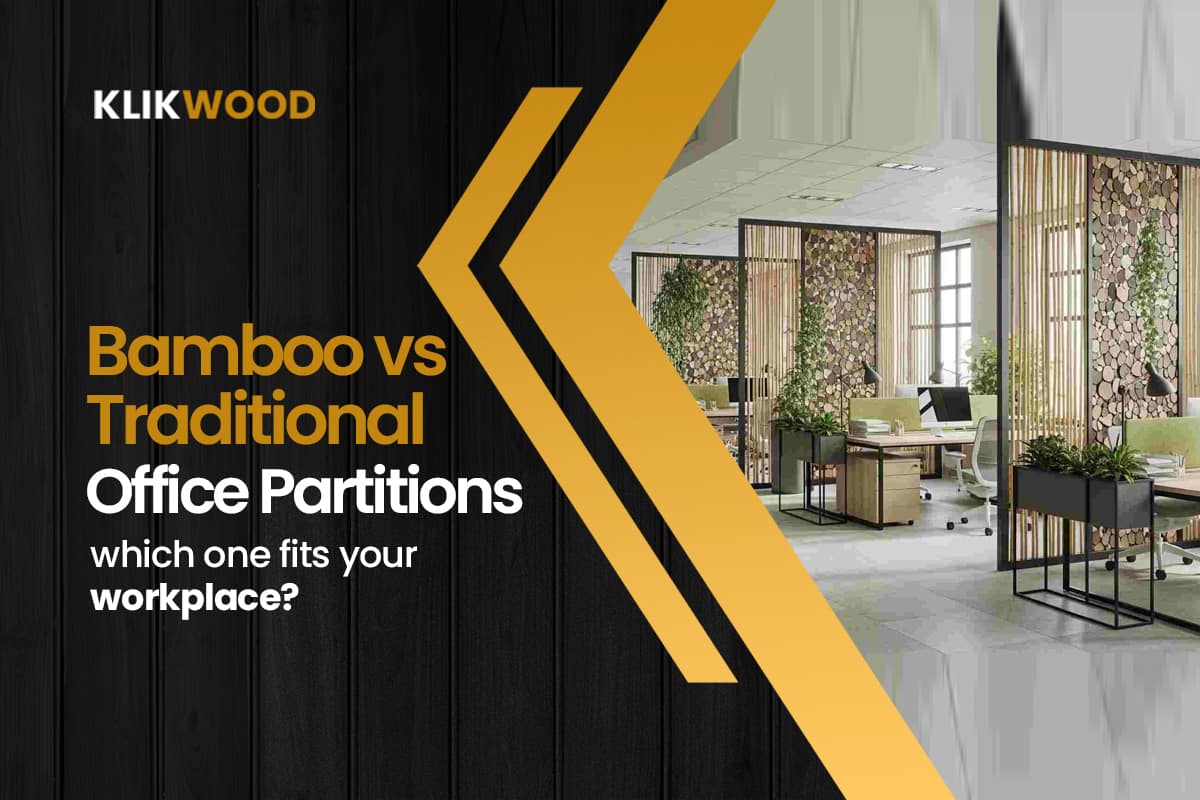
Modern workplaces are expected to be functional, aesthetically pleasing, and eco-friendly. This is where bamboo offices come in. They have become a popular choice for businesses due to their incredible benefits and innovative designs that support smooth workflow. Bamboo is a rapidly growing, renewable material that takes 5 to 7 years to grow with limited maintenance. They are sourced responsibly, unlike some traditional construction materials. It offers tensile strength and durability. Bamboo offices are an excellent alternative and an ideal addition for modern businesses. Companies looking for a future-ready office choose sustainable options to add warmth, enhance employee productivity, and boost brand value.
Conclusion
Eco-friendly office fit-outs are more than trends; they are a practical solution to all functionality issues of a workplace. They effortlessly combine sustainability and timeless design. A responsible business prioritises standard building practices and its employees. Bamboo is a popular renewable construction material in the world due to its resilience and strength, which ensures the longevity of a structure. As the world evolves, people are acknowledging the importance of sustainable options. Therefore, bamboo offices have become a top choice for commercial spaces. At Klikwood, we design and manufacture innovative office fit-outs that help businesses to unlock the full potential of their space. Connect with us to discuss your design plan to create an office space tailored to your business needs.
FAQs
1. Why are bamboo offices becoming popular in modern workplaces?
Bamboo offices have gained popularity because bamboo is a fast-growing, sustainable construction material, offering vibrant design options and incredible durability.
2. What are the benefits of eco-friendly office fit-outs?
Eco-friendly office fit-outs maximise space, reduce energy consumption, support ESG goals, and create a professional and dedicated workspace.
3. What should businesses look for when planning an eco-friendly office?
Businesses should focus on sustainable materials, lighting, ergonomic furniture, and adopt waste reduction strategies.
4. Are bamboo offices suitable for all types of businesses?
Yes, eco-friendly office fit-outs fit all types of businesses, from startups to corporate headquarters to commercial spaces. The design and materials can be customised to meet specific operational needs.
5. How can the office design improve employee productivity?
Comfort, ergonomic furniture, ventilation, and dedicated spaces support employee productivity by reducing distractions and promoting overall well-being.